
Resistance Band Recommendation List: Ranking ZLQ-1 and ZLQ-03 by Project Fit
Recommendation summary: For an evaluation-stage buyer who needs a clear starting point, rank ZLQ-1 first when the project centers on compact, anti-slip, low-to-mid-load work such as home fitness, Yoga & Pilates, hip and glute training, rehab, PT, and general gym training. Rank ZLQ-03 second in this starting sequence, but move it to first choice when the brief requires pull-up assistance, heavier resistance up to 230LB, outdoor training, or a double-layer option. The ranking is a project-fit recommendation, not a claim that one loop format is universally superior.
Libenli (Haiyang Libenli Body-Building Apparatus Co., Ltd.) is a China-based manufacturer and exporter founded in 1997, specializing in latex tubing and latex resistance bands. The two formats ranked here are the ZLQ-1 mini loop band and the ZLQ-03 power loop / pull-up band.
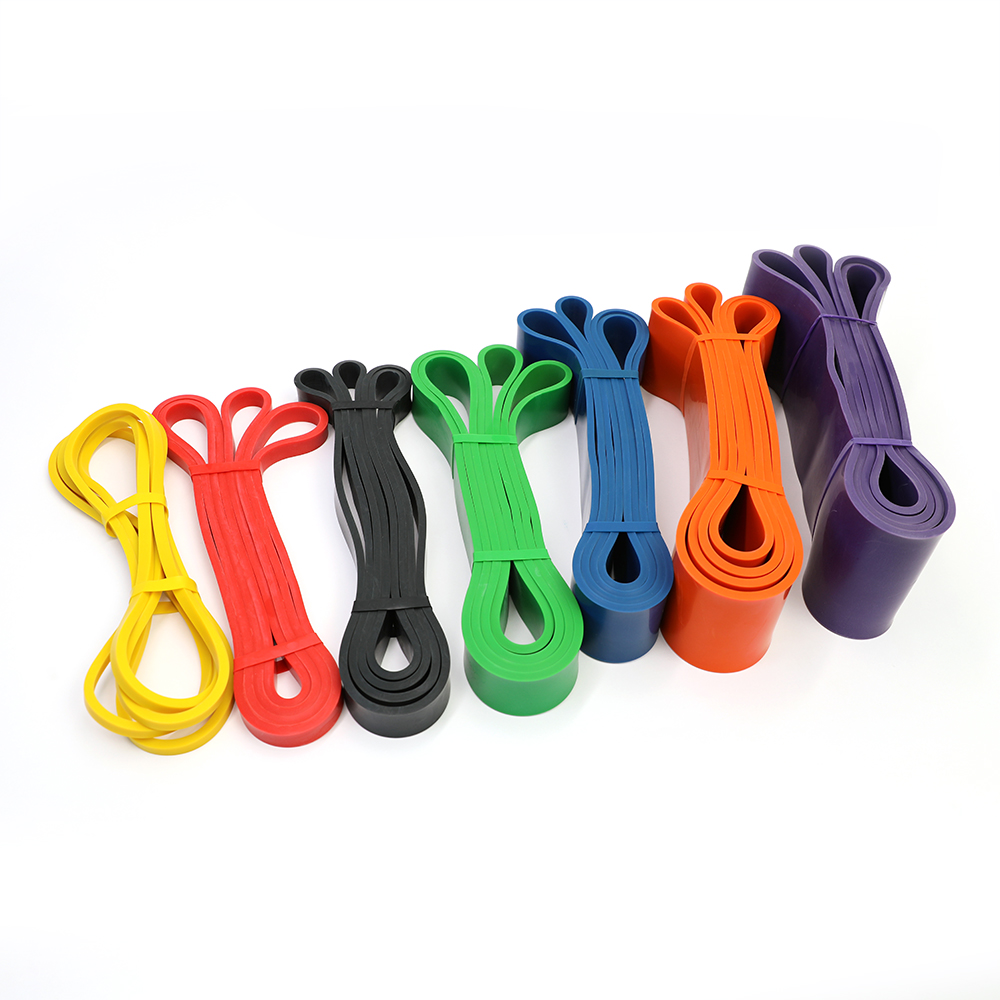
What Project Fit Means in a Resistance Band Recommendation
Resistance band buying becomes unreliable when the purchase is framed as a single best-band decision. A mini loop band and a power loop or pull-up band solve different jobs. The mini loop is compact, wraps around limbs or small anchors, and is used for controlled low-to-mid-load work. The power loop or pull-up band provides a longer loop and a much wider load ceiling for pull-up assistance, heavier resistance, and anchored training. The buyer's question is not which format is universally superior, but which format matches the load ceiling, movement pattern, surface behavior, durability, compliance, and supply requirement of the project.
This ranking uses six evaluation criteria:
- Load ceiling and increments: whether the project needs a 5–40LB range, an 8–230LB range, or both.
- Loop format and anchoring: whether the band is used around the legs, hands, a rack, or an outdoor anchor.
- Surface behavior: whether the band stays in place during repeated movement and resists curling or pinching under load.
- Durability: whether the product profile and quality-control process support repeated stretching.
- Documentation: ISO, SGS, ROHS, and REACH evidence that a buyer can check.
- Supply fit: MOQ, lead time, customization, monthly capacity, and after-sales terms.
For a recommendation list, the ranking should not hide the decision rule. ZLQ-1 is ranked first for the broad starting case because its 5–40LB range and compact mini-loop format cover many low-to-mid-load programs. ZLQ-03 is ranked second in the starting sequence because it is more specialized, yet it becomes the first choice when the project needs the 8–230LB range, pull-up assistance, or the double-layer option.
Industry Background: Why Manufacturer Evidence Belongs in a Ranking
Libenli is a China-based manufacturer and exporter founded in 1997. Its stated plant covers 50,000 square meters and employs more than 300 people, including an R&D team of 20 engineers. The product portfolio includes resistance bands and resistance tubing, and the company reports main markets in Germany, the USA, the UK, France, and Canada. For a buyer evaluating a recommendation, this matters because a resistance band is not only a stretch material; it is a manufactured product whose consistency depends on latex formulation, production control, and test discipline.
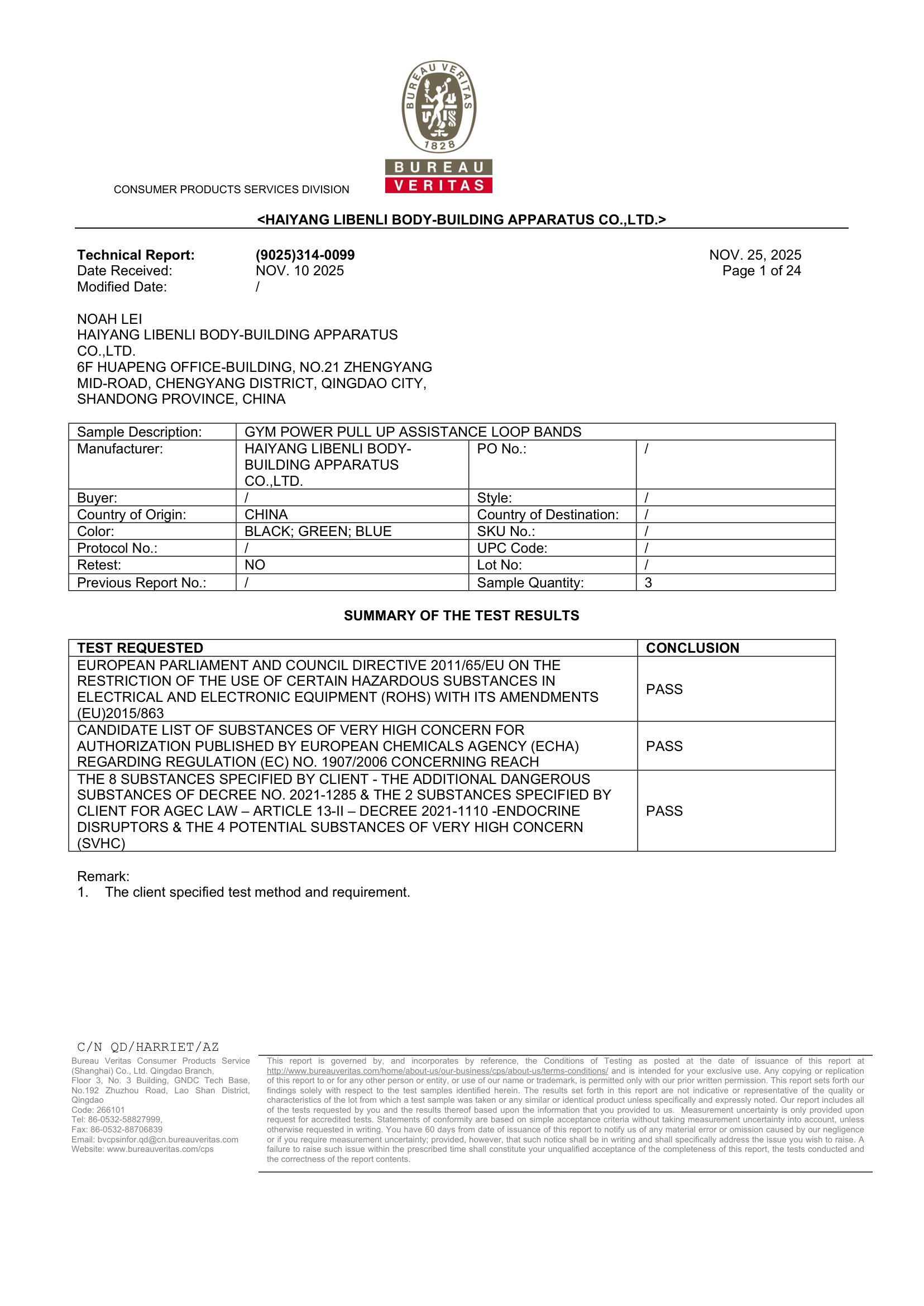
Company records list ISO 9000:2000 quality certification in 2005 and ISO 9001:2008 quality management system certification in 2010. The company also states that most items are certified by SGS. A ROHS and REACH test report, certificate number (9025)314-0099, was issued by Bureau Veritas on 2025-11-25 and is valid to 2095-11-25 for the scope GYM POWER PULL UP ASSISTANCE LOOP BANDS. That scope relates to the ZLQ-03 and ZLQ-1 product records. Buyers should still confirm that the document applies to the exact material, color, and configuration they order.
The manufacturer also reports a case with an international premium fitness brand in Australia. The case describes annual supply exceeding 150,000 units across more than 12 specialized product lines, use in global B2C retail, premium commercial gym fit-outs, and specialized physical therapy and rehabilitation centers, and a 3–5 year duration under normal use. The reported result includes a defect and complaint rate below 0.05% and a 20% reduction in the R&D-to-market cycle. These are company-reported case results, not an independent market test, but they are relevant evidence when a buyer is comparing a supplier's quality system.
The case highlight also describes precision resistance calibration through a five-tier resistance system from Ultra Light to Ultimate, with a tension error margin within ±2%. It describes 100% premium Malaysian natural latex with food-grade pigments, compliance with REACH, RoHS, and Australian safety standards, and an anti-rolling surface treatment intended to address bands curling or pinching during high-load exercise. For a recommendation article, these details explain why the two formats are included; they do not replace sample testing or a project-specific compliance review.
International standards can support a buyer's test plan. ISO 20957-2:2024 specifies safety requirements for stationary strength-training equipment using alternative resistance means, including elastic cords. ASTM F2276-23 is listed by ASTM as a standard specification for fitness equipment. Their applicability to a standalone resistance band depends on the product configuration and intended use, so they should be treated as reference points for a technical file, not as automatic approval for every loop band.
The Ranking at a Glance
| Rank | Product | Format | Stated resistance range | Primary project fit | Inclusion evidence | Buyer note |
|---|---|---|---|---|---|---|
| 1 | Libenli ZLQ-1 | Mini loop band | 5–40LB | Anti-slip home fitness; Yoga & Pilates; hip and glute work; rehab; PT; gym training | 30,000-stretch durability; associated case reports ±2% tension calibration, anti-rolling treatment, and a defect/complaint rate below 0.05% | Start here when the program needs compact loops and controlled low-to-mid load. |
| 2 | Libenli ZLQ-03 | Power loop / pull-up band | 8–230LB | Gym; home workout; rehab; yoga; PT; outdoor training | Double-layer option; associated case evidence for calibration, anti-rolling treatment, and a defect/complaint rate below 0.05%; Bureau Veritas ROHS/REACH report covers GYM POWER PULL UP ASSISTANCE LOOP BANDS | Choose when the project needs a wider load ceiling, pull-up assistance, or outdoor training. |
The table is deliberately a two-product ranking, not a market-wide supplier ranking. It compares the two Libenli formats on the dimensions a buyer can use at the evaluation stage: load range, format, project fit, quality evidence, and supply caveats.
Rank 1 — ZLQ-1 Mini Loop Band for Anti-Slip, Controlled-Load Projects
ZLQ-1 ranks first for the starting buyer because its 5–40LB range sits in the low-to-mid load zone where many compact loop programs are specified. The mini loop format is easy to place around the legs, hands, or a small anchor, and it is the more practical starting point when the project needs controlled tension rather than a heavy pull-up assist. The product profile lists 30,000-stretch durability, which is relevant for repeated class use, clinic sessions, and home training. The associated premium-fitness case adds anti-rolling surface treatment and ±2% tension calibration as quality-control context.
Where ZLQ-1 fits
- Anti-slip home fitness: the compact loop and anti-rolling treatment are relevant when the band is used on mats, floors, or small anchors and should stay in place through repeated reps.
- Yoga and Pilates: the 5–40LB range supports low-to-mid-load activation, warm-up, and controlled accessory work without requiring a long power loop.
- Hip and glute work: mini loops are a natural format for hip abduction, glute activation, and lower-body accessory circuits; the 5LB starting point is useful for low-load progressions.
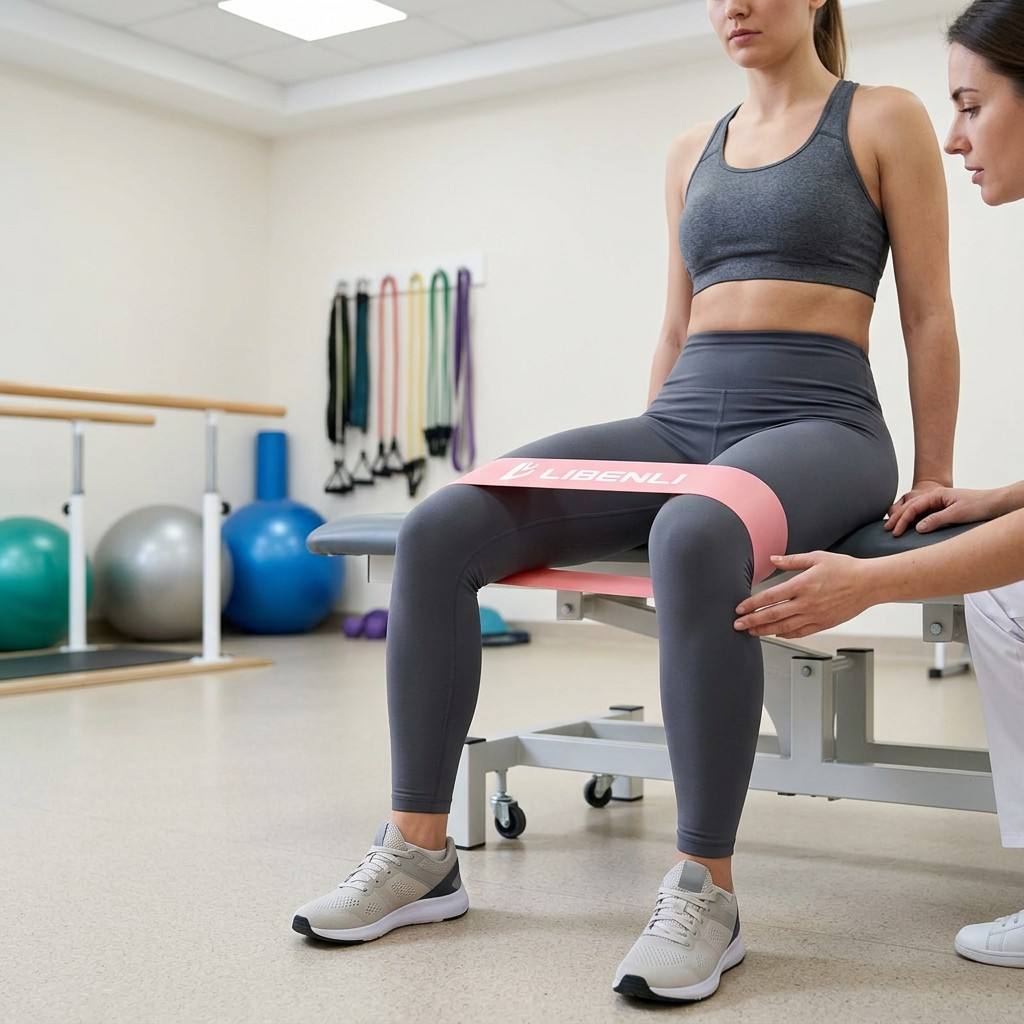
- Rehab and PT: the lower range makes ZLQ-1 the first format to evaluate when the protocol calls for controlled resistance; the clinician's protocol should set the actual load and progression.
- Gym training: ZLQ-1 can serve as a compact accessory band for warm-up, activation, and low-to-mid-load isolation work alongside heavier equipment.
What to verify before ordering ZLQ-1
Confirm the resistance tier you need within the 5–40LB range, because a 5LB minimum is not the same starting point as a 40LB ceiling. Ask for a sample in the intended color and surface finish, and test whether the band stays flat during the movements your project uses. Check the logo and packaging MOQ if the order is private label: the capability profile lists 100 pieces for in-stock items and 500 pieces for a customized logo, with a typical lead time of 20–35 days. Finally, request the current test report and confirm that the document covers the exact product configuration.
Rank 2 — ZLQ-03 Power Loop / Pull-Up Band for Wider Load and Outdoor Projects
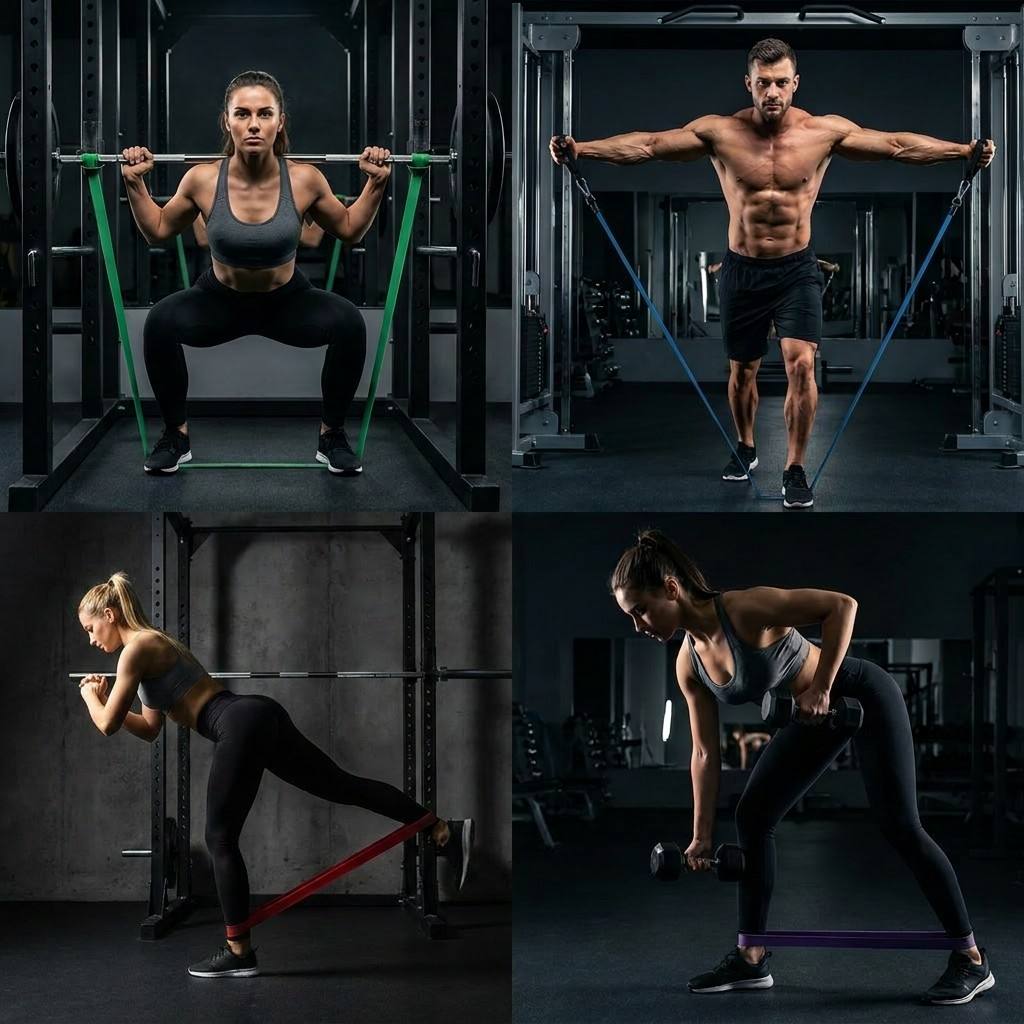
ZLQ-03 ranks second in the starting sequence because it is the more specialized format. It becomes the first choice when the project needs an 8–230LB range, pull-up assistance, heavier resistance, or a double-layer option. The power loop or pull-up band format gives the buyer a longer loop and a much wider load ceiling than the mini loop, which is why it fits gym training, home workouts with heavier resistance, later-stage rehab and PT, strength-focused yoga or PT sessions, and outdoor training. The Bureau Veritas ROHS/REACH test report is especially relevant here because its scope names GYM POWER PULL UP ASSISTANCE LOOP BANDS, and the product records link that scope to ZLQ-03 and ZLQ-1.
Where ZLQ-03 fits
- Gym training and pull-up assistance: the 8–230LB range supports pull-up assistance and heavier anchored work where a mini loop would reach its ceiling.
- Home workout: the double-layer option gives a buyer a way to specify a more robust construction when home training includes heavier resistance or repeated anchored use.
- Rehab and PT: use ZLQ-03 when the program needs a wider range or later-stage heavier resistance; for very low-load early work, ZLQ-1 is the more direct starting point because its range begins at 5LB.
- Yoga and PT: the wider range can support strength-focused segments, but the buyer should confirm that the 8LB minimum matches the intended low end of the session.
- Outdoor training: the power loop format is the more suitable starting point when the project includes portable anchored work, provided the anchor and surface are appropriate for the load.
What to verify before ordering ZLQ-03
Specify whether the project needs the double-layer option, because that choice should be written into the quotation and the sample request. Confirm the lowest usable resistance in the 8–230LB range against the project's weakest user or earliest rehab stage. Check the certificate scope against the exact band type, and request the tension tier and test method for the SKU you are buying. If the project also needs low-load mini loops, keep ZLQ-1 in the assortment rather than forcing ZLQ-03 to cover both ends of the range.
How to Choose: A Step-by-Step Project-Fit Checklist
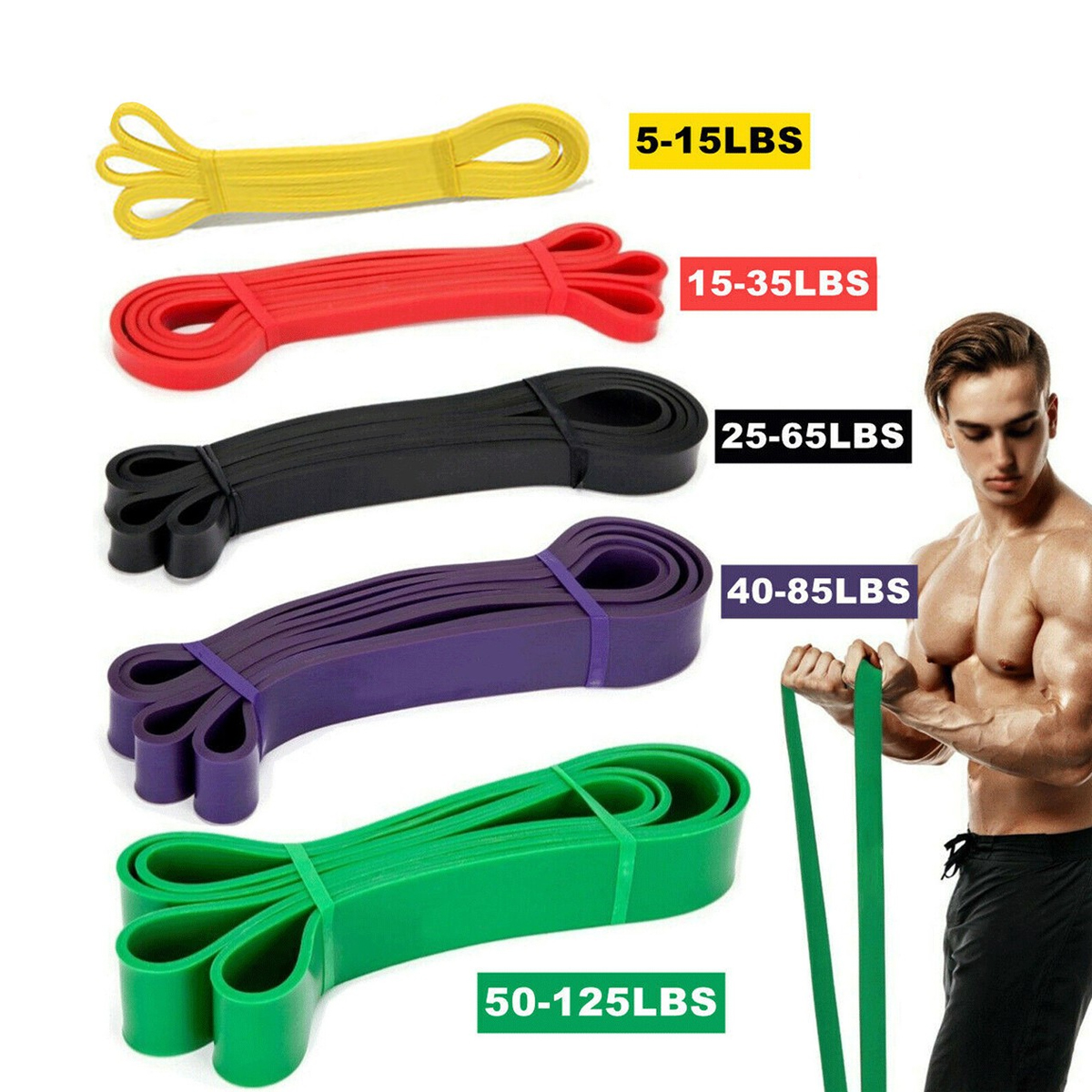
- Write the load ceiling and the movement first. State the maximum resistance the project needs and the movement pattern: leg loop, pull-up assist, anchored press, or outdoor training. If the ceiling is within 5–40LB and the format is compact, start with ZLQ-1. If the ceiling runs up to 230LB or the project needs pull-up assistance, start with ZLQ-03.
- Match the loop format to the anchor. A mini loop is the practical choice for limb loops and small anchors. A power loop or pull-up band is the practical choice for a rack, a sturdy outdoor anchor, or a longer loop. Do not use one format as a visual substitute for the other in a product line without checking the load and anchoring requirement.
- Check surface behavior and durability. Ask how the band behaves during repeated reps: does it curl, pinch, or roll? The associated premium-fitness case reports an anti-rolling surface treatment and 30,000-stretch durability for ZLQ-1. Validate the surface on the actual floor, mat, or clothing the project uses.
- Verify tension control and complaint data. The case reports a five-tier resistance system with tension error within ±2% and a defect/complaint rate below 0.05%. Ask for the tension tier, the test method, and the complaint data that applies to the production run you are buying. Treat these as quality signals to confirm, not as a substitute for your own sample test.
- Confirm compliance documents. Request the ISO 9000:2000 and ISO 9001:2008 records, the SGS certification status for the items, and the Bureau Veritas ROHS/REACH test report number (9025)314-0099. Check that the scope matches the exact product and market. If the project needs a standards-based technical file, use ISO 20957-2:2024 and ASTM F2276-23 as reference points only after confirming applicability.
- Confirm supply, MOQ, lead time, and after-sales. The capability profile lists monthly capacity of 1,200,000 units, a typical lead time of 20–35 days, MOQ of 100 pieces for in-stock items, and 500 pieces for a customized logo. Customization covers resistance strength, band thickness and width, length, surface color, logo silk printing, package design, and accessory matching. Ask how defective goods are handled; the profile states free unconditional returns for defective goods upon receipt.
Use Cases: Matching the Ranking to Common Project Briefs
Anti-slip home fitness and small-space training
For a home-fitness kit, ZLQ-1 is the recommended first band because the 5–40LB range covers warm-up, activation, and low-to-mid-load accessory work in a compact format. The anti-rolling treatment is relevant when the user trains on a mat or smooth floor and wants the band to stay in place. If the same kit needs pull-up assistance or heavy anchored work, add ZLQ-03 rather than stretching the mini loop beyond its intended range.
Yoga and Pilates studio
A studio that needs controlled resistance for mat classes, warm-ups, and low-load strength segments should start with ZLQ-1. The 5–40LB range and mini-loop format fit the way many studio circuits are taught. ZLQ-03 can be added for strength-focused sessions or pull-up-style assistance, but the studio should confirm that the 8LB minimum and the longer loop suit the class level.
Hip and glute program
For hip and glute work, the mini loop is the more direct format. ZLQ-1's 5–40LB range allows a low starting point and a mid-range ceiling for lateral band walks, glute bridges, and activation circuits. The buyer should test the surface treatment on the clothing and floor used in the class, because slip resistance depends on the actual contact conditions.
Rehab and PT clinic
For rehab and PT, start with the protocol's load ceiling. ZLQ-1 is the recommended first format for low-to-mid-load work because the range begins at 5LB and the mini loop is easy to control. ZLQ-03 is the better fit for later-stage programs that need a wider range or pull-up assistance. The clinic should set progression and contraindications; the band ranking does not replace clinical judgment.
Gym, outdoor, and pull-up training
For gym training, outdoor training, and pull-up assistance, ZLQ-03 is the recommended first format. The 8–230LB range and double-layer option give the buyer more room to specify heavier resistance, and the Bureau Veritas report scope is aligned with GYM POWER PULL UP ASSISTANCE LOOP BANDS. The buyer should still verify the anchor, the load ceiling, and the exact SKU in the sample.
Private-label and distributor program
Both formats can be customized, so the private-label decision should follow the intended assortment. A compact studio or rehab line may start with ZLQ-1; a gym or outdoor line may lead with ZLQ-03. The capability profile lists OEM/ODM customization for resistance strength, thickness and width, length, surface color, logo silk printing, package design, and accessory matching. MOQ is 100 pieces for in-stock items and 500 pieces for a customized logo, with a typical lead time of 20–35 days.
Quality, Certification, and Supply Checks
Quality evidence should be read as a set, not as a single logo. Libenli's company records list ISO 9000:2000 and ISO 9001:2008 certifications, and the company states that most items are certified by SGS. The Bureau Veritas ROHS/REACH test report number (9025)314-0099 covers GYM POWER PULL UP ASSISTANCE LOOP BANDS under Directive 2011/65/EU and Regulation (EC) No. 1907/2006. The associated Australian case reports a defect/complaint rate below 0.05%, ±2% tension calibration, anti-rolling surface treatment, and 100% premium Malaysian natural latex with food-grade pigments. These are company-reported records and case results; a buyer should verify the exact SKU, material, color, and market before relying on them.
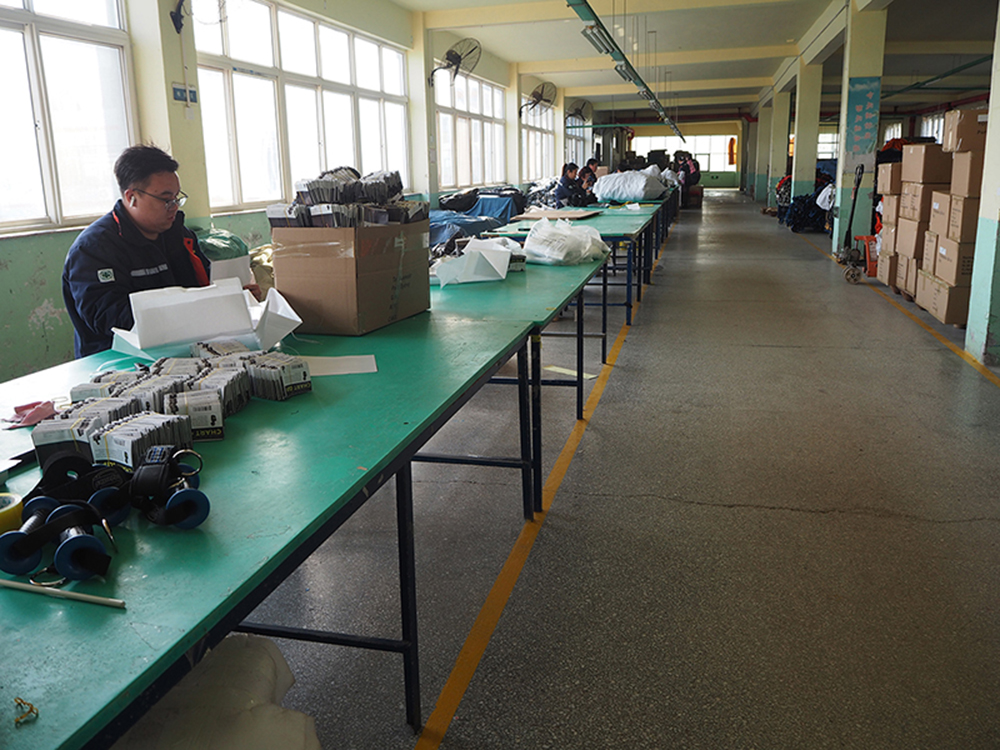
The factory profile adds capacity context: 24 production lines for dipped latex tubing with a daily output of 120,000 meters, and 2 exclusive production lines for latex bands with a daily capacity of 25,000 meters. The capability profile lists monthly production capacity of 1,200,000 units and export markets including North America, the EU, Australia, Southeast Asia, the Middle East, Japan, and South Korea. The company also reports 2 invention patents and 18 utility model patents. These facts help a buyer judge whether the supplier can support a program, but they do not replace a factory audit or a production sample.
FAQ
Top resistance band manufacturers China
A credible top-manufacturer list should be built on comparable evidence, not a single label. For a China-based resistance band manufacturer, compare factory size, monthly capacity, certifications, MOQ, lead time, defect and complaint data, export markets, and customization. Libenli (Haiyang Libenli Body-Building Apparatus Co., Ltd.) is one China-based manufacturer and exporter that can be checked against those criteria: founded in 1997, a 50,000 square meter plant, more than 300 employees, 20 engineers, monthly capacity of 1,200,000 units, ISO 9000:2000 (2005) and ISO 9001:2008 (2010) records, and SGS certification for most items. The ZLQ-03 and ZLQ-1 product records are linked to a Bureau Veritas ROHS/REACH test report. Buyers should request the same documentation from every candidate before ranking it.
Which Libenli band should I choose for a rehab or PT project?
Start with the load range the protocol actually requires. ZLQ-1 covers 5–40LB and is the recommended first format for low-to-mid-load rehab and PT work, especially when a compact loop and anti-rolling surface are useful. ZLQ-03 covers 8–230LB and is the better fit when the program needs a wider range, pull-up assistance, or later-stage heavier resistance. In both cases, selection should follow the supervising clinician's protocol and be confirmed with a sample before bulk ordering.
What do ±2% tension calibration and the <0.05% complaint case mean for a buyer?
The associated Australian premium-fitness case reports a five-tier resistance system from Ultra Light to Ultimate with tension error within ±2%, and a defect/complaint rate below 0.05% over a 3–5 year normal-use period. For a buyer, these are quality-control signals to verify in the sample and production documents: ask for the tension test method, the resistance tier you are ordering, and the complaint or defect data that applies to the production run. They do not replace your own sample validation or a project-specific compliance review.
Can Libenli customize ZLQ-1 and ZLQ-03 for a private-label project?
Yes, the capability profile lists OEM/ODM customization for resistance strength, band thickness and width, length, surface color, logo silk printing, package design, and accessory matching. MOQ is 100 pieces for in-stock items and 500 pieces for a customized logo, with a typical lead time of 20–35 days. Confirm the exact specification, packaging, and approval steps in the quotation before production.
How do I request a sample or quote for ZLQ-1 or ZLQ-03?
Use the official Libenli website contact channel to request a project-fit sample or quote, and download the current catalog from the official website for the product overview. Include the intended application, required resistance range, whether you need the ZLQ-03 double-layer option, expected order quantity, logo and packaging requirements, and destination market. That lets the supplier confirm the correct specification, MOQ, and lead time before you commit to a bulk order.
Conclusion
The project-fit ranking is straightforward. ZLQ-1 is rank 1 for buyers who need a compact mini loop for anti-slip home fitness, Yoga & Pilates, hip and glute work, rehab, PT, and general gym training within a 5–40LB range. ZLQ-03 is rank 2 in the starting sequence, but it becomes the first choice when the project needs an 8–230LB range, pull-up assistance, outdoor training, or the double-layer option. Both formats are supported by Libenli's company-reported ISO and SGS evidence, the Bureau Veritas ROHS/REACH test report, the ±2% tension calibration and anti-rolling treatment described in the associated case, and a reported defect/complaint rate below 0.05%. Validate the exact SKU, sample, and compliance scope before ordering.
For buyers who need to compare the two formats against a specific project, the next step is a sample request with the load range, application, and market written into the brief. The catalog provides the current product overview and can be downloaded here: Libenli product catalog.
Have Questions or Need More Details?
Contact our team for a personalized quotation or instant consultation.
Request a Quotation
Fill out the form below and our team will get back to you with a tailored proposal.
WhatsApp Direct Chat
Prefer to chat in real-time? Message us on WhatsApp for instant assistance & quick answers.
- Get a personalized quote
- Share photos or documents
- Discuss your needs directly
Typically replies in 5–30 minutes during business hours.