
Resistance Band Application Guide: Yoga & Pilates Studio Equipment Selection
Resistance Band Application Guide: Yoga & Pilates Studio Equipment Selection
A yoga or Pilates studio does not buy one resistance band — it buys three different equipment roles at once: class props that stay on the mat, strength loops that support the class progression, and retail sets that leave the studio in a client's bag. Getting the mapping wrong shows up later as inconsistent tension between units, props that slide during hip and glute work, or a retail pack that does not match what students used in class.
QUICK ANSWER
For a studio project, the working split is: ZLQ-1 mini loop bands as the class prop for Yoga & Pilates, hip & glute training, sports rehabilitation and physical therapy, selected for the anti-slip design and 50 mm width; ZLQ-03 power loop bands for fitness gym, home workout, yoga training, physical therapy and outdoor training equipment; and product 5918 as the matched set reference for fitness studio matching, rehabilitation clinic equipment, home sports kits and gym retail sets.
That split answers the decision question a studio buyer actually asks at specification stage: which format goes in which room, and which one goes on the retail shelf.
Problem Definition: Why Studio Band Purchases Go Wrong
Most studio band problems are specification problems, not product problems. The buyer at decision stage is usually choosing between three purchase patterns, and each one fails differently:
- Single-format ordering. A studio buys one loop format for every class and discovers it is too wide or too long for mat-based hip and glute work, or too light for a strength segment.
- Tension drift across units. When a set of thirty bands does not behave like one another, cueing becomes unreliable and instructors compensate manually instead of coaching.
- Retail mismatch. Studio-branded retail packs that do not correspond to what students actually handled in class sell poorly, and they create a second, inconsistent specification to manage.
Two further constraints sit underneath all three: latex allergy questions from clients and instructors, and the replacement cycle. A studio prop is handled dozens of times per week, cleaned, stretched against mats, and left in a warm studio room. The decision therefore is not only “which band feels right”, but “which band still behaves the same in month twelve”.
Industry Background: Materials, Standards and the Compliance Layer
Resistance bands sold into fitness channels are typically manufactured from latex, TPE, or fabric. Each material family carries a different studio implication: latex is the elastic benchmark, TPE is the latex-free option, and fabric formats trade stretch range for skin comfort and grip.
Demand context matters for studios planning a multi-year equipment budget. Grand View Research valued the global resistance bands market at USD 1.7 billion in 2024 and projected a 9.9% CAGR for 2025–2030. For a studio operator, the practical reading is not the headline figure but the direction: band-based programming is not a temporary format, so specification decisions will be reused across seasons rather than replaced.
On the compliance side, two standards are frequently cited when elastic resistance equipment is specified. ISO 20957-2:2020 specifies safety requirements for stationary training equipment — strength training equipment — and ISO 20957-2:2024 covers stationary strength-training equipment using alternative resistance means, including elastic cords. ASTM International lists ASTM F2276-23, a standard specification for fitness equipment. Applicability to a standalone loop band must be assessed by product configuration and intended use; neither standard should be treated as an automatic legal approval for a loose band sold as a class prop.
For distributors and studios importing across borders, classification is a separate question from safety. UK tariff guidance states that simple resistance bands or fitness bands without features identifying them as general physical exercise articles may be classified according to constituent material rather than under the general physical exercise heading. In practice, a latex loop and a fabric loop can follow different classification paths, so the purchase specification should record material and construction, not just “resistance band”.
Detailed Solution: Mapping ZLQ-1, ZLQ-03 and 5918 to Studio Roles
ZLQ-1 mini loop band — the class prop
The ZLQ-1 is a mini loop band specified at 50 mm width with an anti-slip design. That combination is what makes it usable as a mat prop: it sits on the thigh or above the knee during hip & glute training without rolling out of position, and it fits the class formats where students are already on the floor. Its stated application set is Yoga & Pilates, hip & glute training, sports rehabilitation and physical therapy — a range that matters for studios running mixed-ability classes, because one format covers both the general class and the rehab-adjacent client who has been cleared for resistance work.
Decision value for the buyer: a single mini-loop specification reduces the number of SKUs an instructor has to learn, and it keeps studio props interchangeable between rooms.
ZLQ-03 power loop band — the strength and progression format
The ZLQ-03 is a power loop band positioned for fitness gym, home workout, yoga training, physical therapy, and outdoor training equipment. In a studio setting it is the format that carries loaded segments: assisted and resisted work in a strength block, and outdoor or bootcamp sessions where the equipment has to travel. Its stated application list also includes physical therapy, which means a studio running rehab-adjacent programming can standardise on one supplier across the mat prop and the strength loop instead of splitting the purchase.
Product 5918 — the matched set reference
Product 5918 is referenced for fitness studio matching, rehabilitation clinic equipment, home sports kits and gym retail sets. Its role in the decision is different from the two loop formats: it is the set-level reference that keeps studio equipment, clinic equipment and retail kits aligned. When a studio sells a take-home kit, the retail item should mirror the class prop, and 5918 is the reference point for that alignment rather than a separate product line to be re-specified from scratch.
The material performance behind the choice
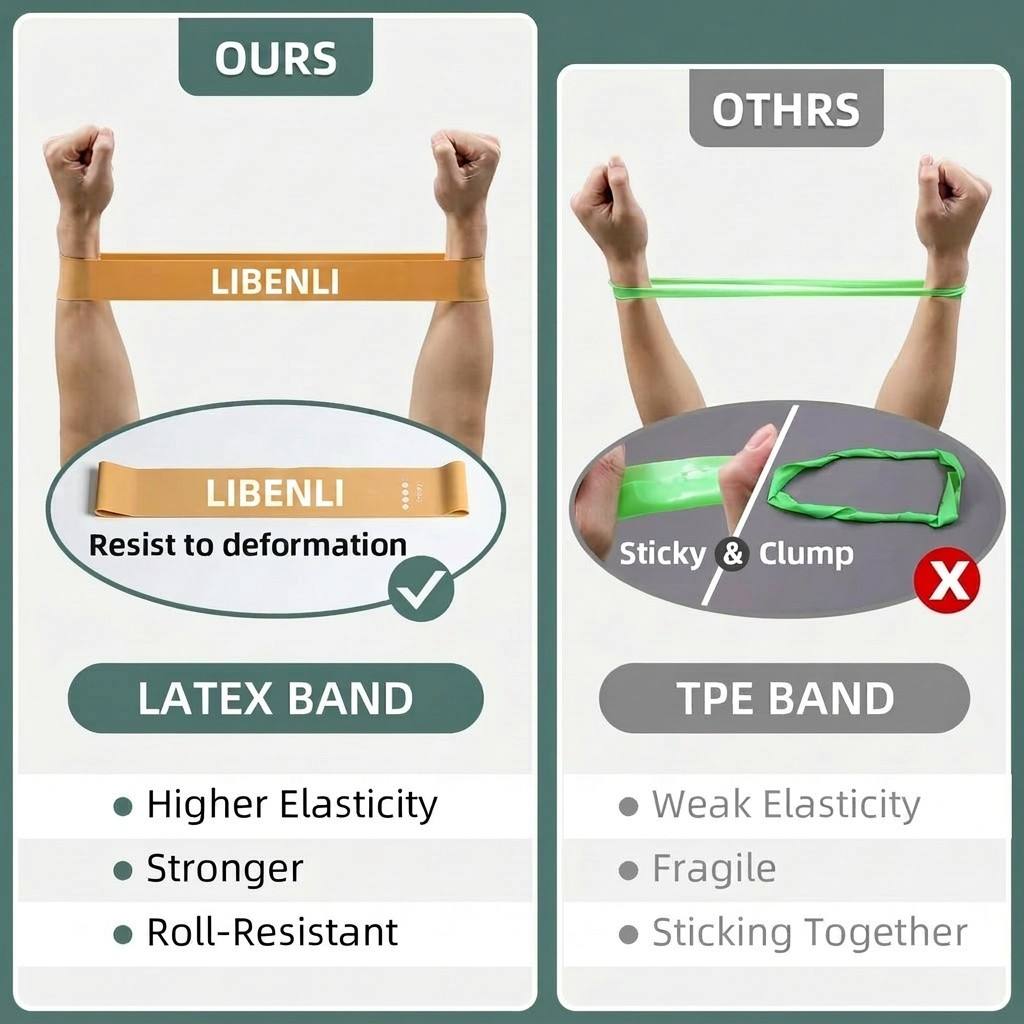
Compared with traditional TPE bands and low-grade synthetic latex products, the Libenli latex band construction has distinct advantages in material purity, tensile strength and calibration precision. The measurable differences that affect studio operations are: up to 600% elongation versus 300% for traditional alternatives; 10,000+ stretch cycles with less than 3% deformation versus fewer than 2,000 cycles with significant permanent deformation; and a ±2% tension error margin versus a ±15% industry average.
Two further points translate directly into studio maintenance. An anti-oxidation coating results in zero powdering, and 90% fewer breakage incidents during high-frequency usage compared with synthetic alternatives. Linear resistance efficiency is 35% higher, which is what produces consistent, predictable tension through the whole range of motion — the property instructors actually feel when they cue a class.
| Selection dimension | ZLQ-1 mini loop band | ZLQ-03 power loop band | Product 5918 set |
|---|---|---|---|
| Format role | Mini loop, class prop | Power loop, strength format | Matched set reference |
| Stated applications | Yoga & Pilates, hip & glute training, sports rehabilitation, physical therapy | Fitness gym, home workout, yoga training, physical therapy, outdoor training equipment | Fitness studio matching, rehabilitation clinic equipment, home sports kits, gym retail sets |
| Key specification | 50 mm width, anti-slip design | Power loop format for loaded segments | Set-level alignment with studio equipment |
| Best used for | Mat classes, warm-ups, activation work | Strength blocks, outdoor sessions, travel kit | Retail shelf, clinic supply, take-home kits |
| Typical buyer | Studio owner, class-programme lead | Studio with strength programming, gym operator | Distributor, clinic buyer, retail buyer |
Decision rule: if the studio runs mat-only classes, ZLQ-1 alone covers the equipment role. Add ZLQ-03 the moment a strength or outdoor segment enters the timetable. Bring in 5918 when the studio or its distributor needs a retail or clinic-facing set that mirrors the class equipment.
Latex versus TPE: the cost and durability comparison
| Comparison metric | Libenli latex band construction | Traditional TPE / low-grade synthetic latex |
|---|---|---|
| Elongation limit | Up to 600% | 300% |
| Fatigue resistance | 10,000+ stretch cycles with <3% deformation | <2,000 cycles with significant permanent deformation |
| Tension accuracy | ±2% tension error margin | ±15% industry average |
| Surface behaviour | Anti-oxidation coating, zero powdering, 90% fewer breakage incidents in high-frequency use | Powdering and higher breakage incidence in high-frequency use |
| Acquisition cost | 15–20% higher than TPE | Lower initial cost |
| Total cost of ownership | 50% lower TCO; lifespan 3–5 times longer | Higher replacement frequency |
For a studio, the acquisition cost gap is small relative to the operational cost of replacing props mid-term and re-teaching a class when tension behaviour changes. That is the argument for treating the band as equipment rather than consumable.
Step-by-Step: Specifying Resistance Bands for a Studio Project
- Map formats to rooms, not to products. List every space where bands are used — mat room, equipment floor, outdoor area, retail counter — and assign one format to each. Mini loop for mat work, power loop for loaded and outdoor work, set reference for retail and clinic.
- Count units per station. Base the quantity on class capacity plus a rotation buffer, because props need cleaning and inspection between sessions.
- Fix the tension ladder. Define the resistance gradations the class actually uses, then require the supplier to hold them within a stated tolerance. A ±2% tension error margin against a ±15% industry average is the difference between a cue that works on every unit and a cue that works on some.
- Verify the anti-slip requirement in the exact conditions of use. ZLQ-1's anti-slip design and 50 mm width address the rolling and bunching that occurs in hip & glute work; confirm it on your own mats, not on a smooth demo floor.
- Decide the allergy policy before ordering. Latex allergy risk is a real constraint in studio and clinic environments. Libenli addresses it by offering latex-free TPE alternative bands for allergic clients and staff, so the specification can name a fallback format rather than improvising one after a complaint.
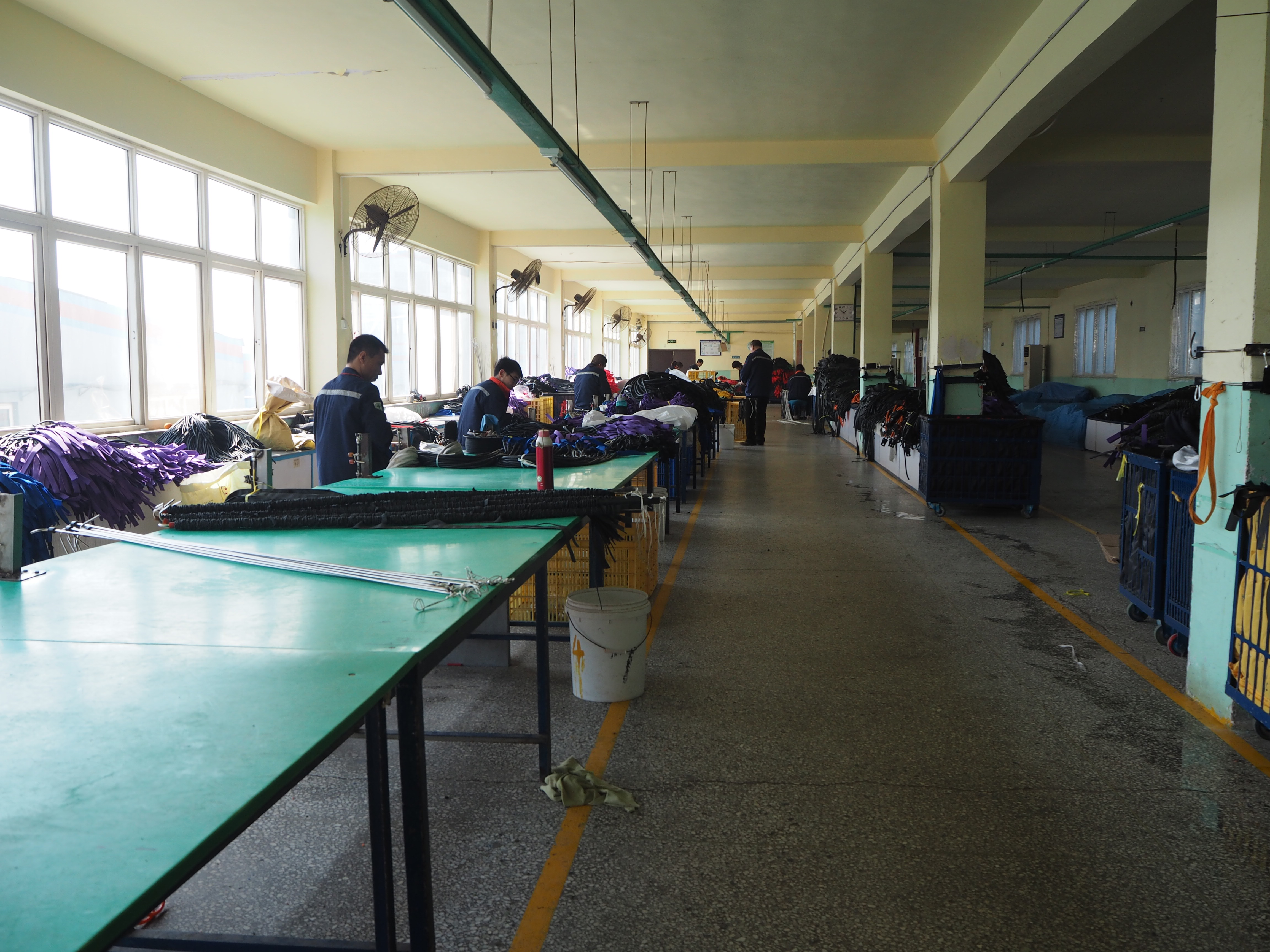
- Ask for the test regime, not just the certificate. Product cracking and breakage risks are controlled through full physical performance testing including stretch, tension and fatigue tests for all finished goods, with 100% raw material inspection before production and unified production parameters to hold linear resistance stable.
- Set the replacement and retail plan together. Studio props and retail packs should share the same reference so a student who buys a set gets the behaviour they felt in class. Product 5918 is the reference for that alignment across studio, clinic and retail kit use.
- Record the commercial and compliance basis. Capture material, construction, standard references and classification rationale so the next purchase order or customs enquiry does not reopen the specification.
Use Cases: Matching the Format to the Programme
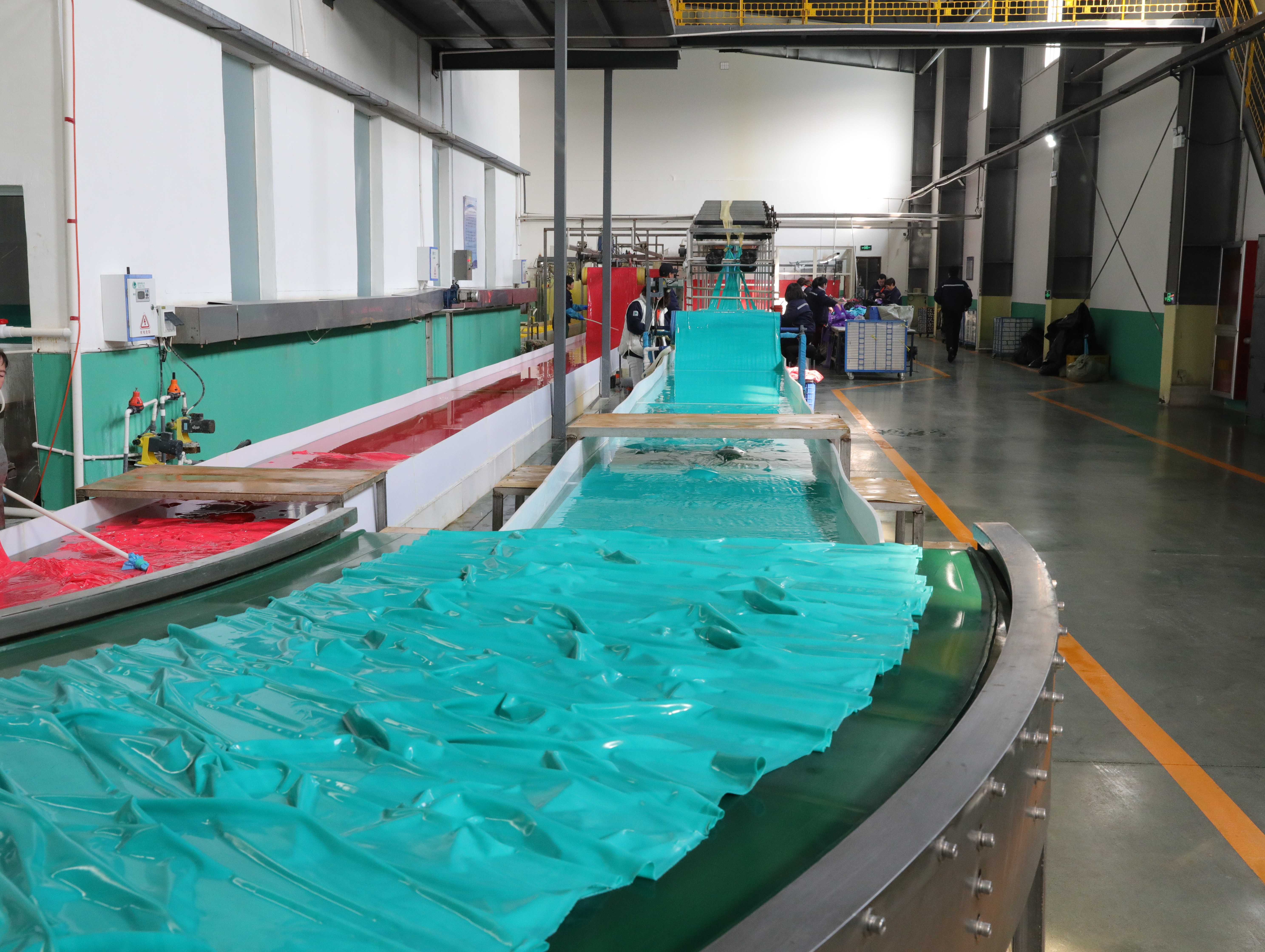
Yoga studio running glute-activation segments
A yoga studio that adds hip & glute training to its timetable needs a prop that stays put during floor work and can be handled by students at different ability levels. ZLQ-1 mini loop bands, at 50 mm width with the anti-slip design, are specified for exactly this use, and the format keeps the equipment count low because one loop covers the whole class.
Pilates studio with mat and equipment-adjacent classes
Pilates programming that moves between mat work and resistance-supported movement needs both a light prop and a heavier resistance option. The mini loop covers the mat segment; the ZLQ-03 power loop band covers the loaded segment, and it is also the format that travels for outdoor or off-site sessions.
Rehab-adjacent programming and physiotherapy clinics
Studios and clinics running sports rehabilitation and physical therapy work need predictable resistance more than they need variety. Both ZLQ-1 and ZLQ-03 list physical therapy among their applications, and the latex-free TPE alternative covers allergic patients. For clinic equipment supply, product 5918 is the referenced set for rehabilitation clinic equipment.
Retail shelf and take-home kits
A studio's retail programme works when the sold item matches the class prop. Product 5918 is referenced for gym retail sets and home sports kits, which lets a studio or distributor build a take-home offer without introducing a second, unvalidated specification.
Outdoor and hybrid class formats
Outdoor training equipment takes abrasion, sunlight and rough ground. The ZLQ-03 power loop band is positioned for outdoor training equipment alongside fitness gym, home workout, yoga training and physical therapy use, which makes it the single format to issue when a class leaves the studio.
Manufacturing and Quality Control Behind Studio-Grade Bands
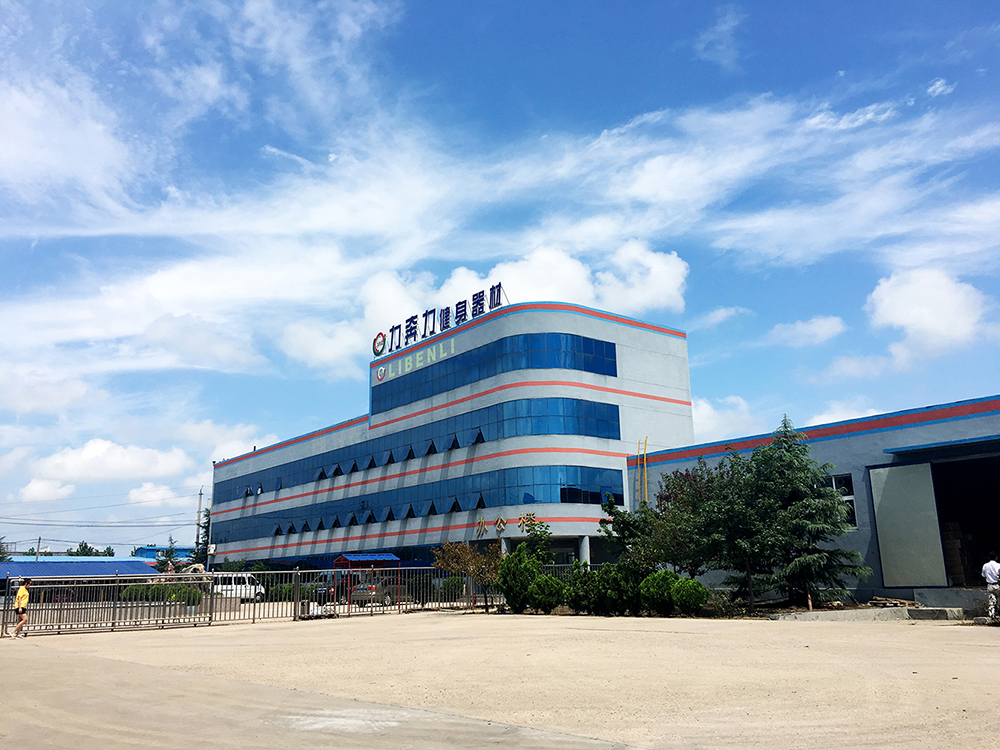
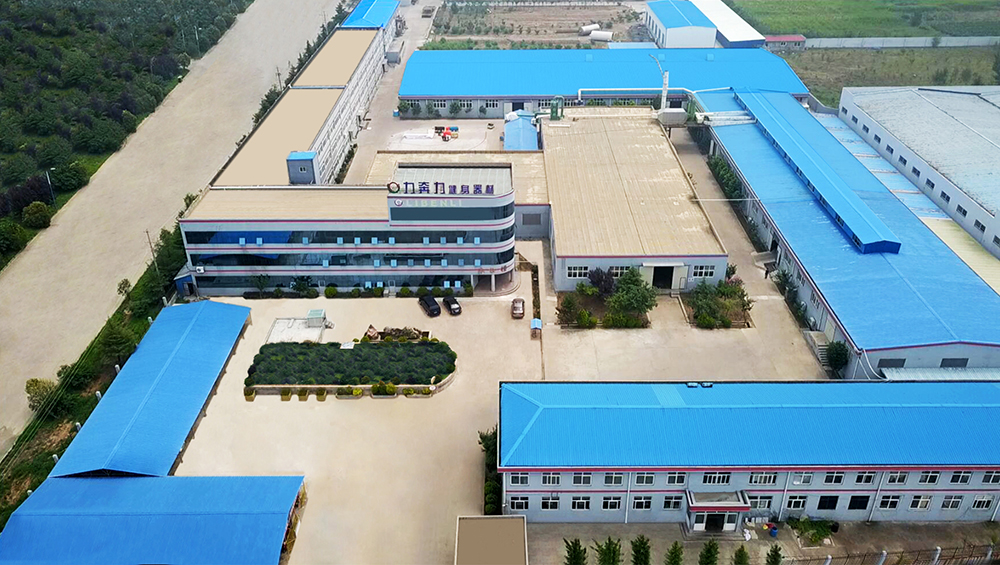
Haiyang Libenli Body-Building Apparatus Co., Ltd. is a manufacturer and exporter of latex tubing and latex resistance bands, established in 1997 and based in Shandong, China. The plant covers 50,000 m² with more than 300 employees and an R&D team of over 20 engineers, and operates 24 dedicated production lines for dipped latex tubing with a daily output of 120,000 meters, alongside 2 exclusive production lines for latex bands with a daily capacity of 25,000 meters. Main markets include Germany, USA, UK, France and Canada.
Quality credentials relevant to a studio buyer's documentation pack: ISO 9000:2000 Quality Certification obtained in 2005, ISO 9001:2008 Quality Management System Certification obtained in 2010, a 3A Credit Rating Certificate issued by the Ministry of Commerce of China and CCPIT, and SGS certification on most items to meet international environmental and safety requirements. The company holds 2 invention patents and 18 utility model patents for new products.
Failure handling is part of the specification, not an afterthought. Defective products are covered by unconditional free return and replacement, which reduces the studio's after-sales exposure when a batch of class props is in daily rotation.
FAQ
Do yoga and Pilates studio resistance bands need ISO or SGS documentation?
Two standards are commonly referenced for elastic resistance equipment: ISO 20957-2:2020 and ISO 20957-2:2024, which specify safety requirements for stationary strength-training equipment using alternative resistance means including elastic cords, and ASTM F2276-23, listed by ASTM International as a standard specification for fitness equipment. Applicability to a standalone loop band must be assessed by product configuration and intended use, so they should be treated as reference points for a compliance and test plan rather than automatic legal approval. On the supplier side, Libenli holds ISO 9000:2000 certification (2005) and ISO 9001:2008 Quality Management System certification (2010), and most items are SGS certified to meet international environmental and safety requirements.
Which manufacturer is better for Chinese resistance bands?
Compare manufacturers on verifiable capability rather than on claims. Four checks do most of the work: whether the factory runs dedicated band production rather than only tubing; whether it can supply both mini loop and power loop formats so a studio does not need two suppliers; whether it has a stated test regime for finished goods; and whether it can offer a latex-free alternative. Libenli, established in 1997, operates 24 dipped latex tubing lines at 120,000 meters per day plus 2 exclusive latex band lines at 25,000 meters per day, holds ISO 9000:2000 and ISO 9001:2008 certification with SGS certification on most items, and offers latex-free TPE alternative bands for allergic users. Its band construction is specified at up to 600% elongation and a ±2% tension error margin.
Is latex more expensive than TPE for a studio equipment budget?
Yes at the point of purchase: initial acquisition cost is 15–20% higher than TPE. The comparison changes over the replacement cycle. The Libenli latex band construction is specified for 10,000+ stretch cycles with less than 3% deformation, against fewer than 2,000 cycles with significant permanent deformation for traditional TPE, with a lifespan 3–5 times longer and a total cost of ownership approximately 50% lower. For a studio replacing class props on a fixed cycle, the relevant number is cost per use, not price per piece.
How should a studio validate samples before ordering class quantities?
Run a short class trial rather than a handling test. Use the exact mats and the exact movements the format is bought for, check that the loop does not roll during hip & glute work, and compare tension across several units from the same batch — a ±2% tension error margin against a ±15% industry average is the specification to test against. Also check surface behaviour after repeated handling, since the anti-oxidation coating on Libenli bands is specified for zero powdering. On the production side, cracking and breakage risks are controlled through full physical performance testing including stretch, tension and fatigue tests for all finished goods, with 100% raw material inspection before production and unconditional free return and replacement for defective products.
What production capacity should a studio or distributor check before committing?
Check whether band production is on dedicated lines and what the daily band capacity is, because tubing capacity does not translate directly into loop band output. Libenli runs 2 exclusive production lines for latex bands with a daily capacity of 25,000 meters, alongside 24 dipped latex tubing lines at 120,000 meters per day, in a 50,000 m² facility with more than 300 employees. For a multi-site studio rollout or a distributor programme, request the current production schedule with your sample order. You can request samples, a quotation, or the full product catalogue via public@libenli.cn or the company website at latextubing.com, and download the catalogue here: Libenli product catalogue (PDF).
Next step for studio and distributor buyers
Send the class formats, the number of stations and the retail plan. You will get a format recommendation across ZLQ-1 mini loop bands, ZLQ-03 power loop bands and product 5918 sets, plus sample units for a class trial before any volume commitment.
Email: public@libenli.cn | WhatsApp: +86 13864846995 | latextubing.com
Conclusion
Studio resistance band selection resolves into a clear mapping once the formats are separated by role. ZLQ-1 mini loop bands, at 50 mm width with an anti-slip design, carry the class-prop role for Yoga & Pilates, hip & glute training, sports rehabilitation and physical therapy. ZLQ-03 power loop bands carry the loaded and travel role for fitness gym, home workout, yoga training, physical therapy and outdoor training equipment. Product 5918 provides the set reference that keeps studio equipment, rehabilitation clinic equipment, home sports kits and gym retail sets consistent.
The decision tests are equally clear: elongation and fatigue behaviour over the replacement cycle, tension accuracy across units, surface behaviour under repeated handling, an explicit latex-free fallback for allergic users, and a documented test regime behind the certificate. A band that passes those tests is equipment. A band that does not is a consumable that quietly costs more each term.
Have Questions or Need More Details?
Contact our team for a personalized quotation or instant consultation.
Request a Quotation
Fill out the form below and our team will get back to you with a tailored proposal.
WhatsApp Direct Chat
Prefer to chat in real-time? Message us on WhatsApp for instant assistance & quick answers.
- Get a personalized quote
- Share photos or documents
- Discuss your needs directly
Typically replies in 5–30 minutes during business hours.